

Materials By Brand Name
We have available the extensive, high-quality material offering from many of the industries best-known suppliers.
Insul-Fab is proud to work with industry leading suppliers that have the same commitment to quality and customer satisfaction that we do. We carry foam, fiber, plastics, adhesives, and many specialty materials. Many of our materials meet UL listings for flammability and virtually all of them are RoHS compliant.
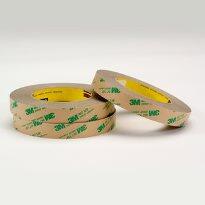
Below is a listing by brand name of many well-known materials that we work with including 3M foam adhesive tape, Rogers Poron® foam, and many more.
- 3M – Adhesives & Specialty Materials
- Armacell – Ensolite® Closed Cell Foam Continuous Rolls
- Armacell – Monarch® Closed Cell Foam Bunstock
- Armacell – Oletex® Closed Cell Foam Continuous Rolls
- Concote – Laminating Adhesives
- Fujipoly – Sarcon® Thermal Interface Materials
- Insul-Fab Materials
- ITW Formex® – Plastic Insulation Materials
- Johns Manville – OEM Fiberglass Insulation
- Johns Manville – Industrial Insulation Materials
- K-Flex USA – Closed Cell Foam & Performance Materials
- Lydall
- Rogers Corporation – Poron® Polyurethane Foam
- Rogers Corporation – Bisco® Silicone Foam and Solids
- Wm. T. Burnett – Open Cell Polyurethane & Nonwoven Fibers
Armacell

Ensolite, Oletex, and Monarch brand foam materials from Armacell, a leader in insulation and components foams.
Concote

Pressure sensitive laminating adhesives for foam, insulation, plastics, and general purpose applications.
Fujipoly
.f4c0f7cd52b3857ad6d69cfee4d21dc632.png)
Fujipoly Sarcon thermal interface materials (TIMs) for heat transfer in electronics and power devices.
ITW Formex

ITW Formex® flame retardant UL 94 V-0 plastic materials provide superior electrical insulation. Authorized distributor.
Johns Manville

Fiberglass insulation for OEM applications in HVAC, appliance, transportation, and industrial designs. Designated Master Fabricator.
K-Flex USA

Closed cell elastomeric insulation and performance technical foams for thermal and acoustical OEM applications.
Rogers PORON

PORON® microcellular polyurethane products are fine pitch open cell foams produced by Rogers Corporation
Rogers BISCO

Insul-Fab fabricates BISCO silicones for end-use as gaskets, heat shields, fire stops, gap seals, cushions, bumpers, and insulation.
Zotefoams

Lightweight, high-performance closed cell PVDF and PE foams for space, aircraft, and specialty packaging.
Insul-Fab

Our Insul-Fab brand specifications for competitively priced performance materials in fabricated products.
Lydall

Specialty fiberglass and paper-based insulation and gasket materials from Lydall, an Alkagen brand.
3M Tape

Globally recognized leader in adhesives and specialty materials for converted markets.


